
Stud Welding Machines
Compare capacitor discharge (CD), short-cycle and conventional drawn arc, and inverter-powered drawn-arc systems for your application.
Send your stud drawing, plate thickness and acceptance requirements. Confirm the welding process and machine configuration together.
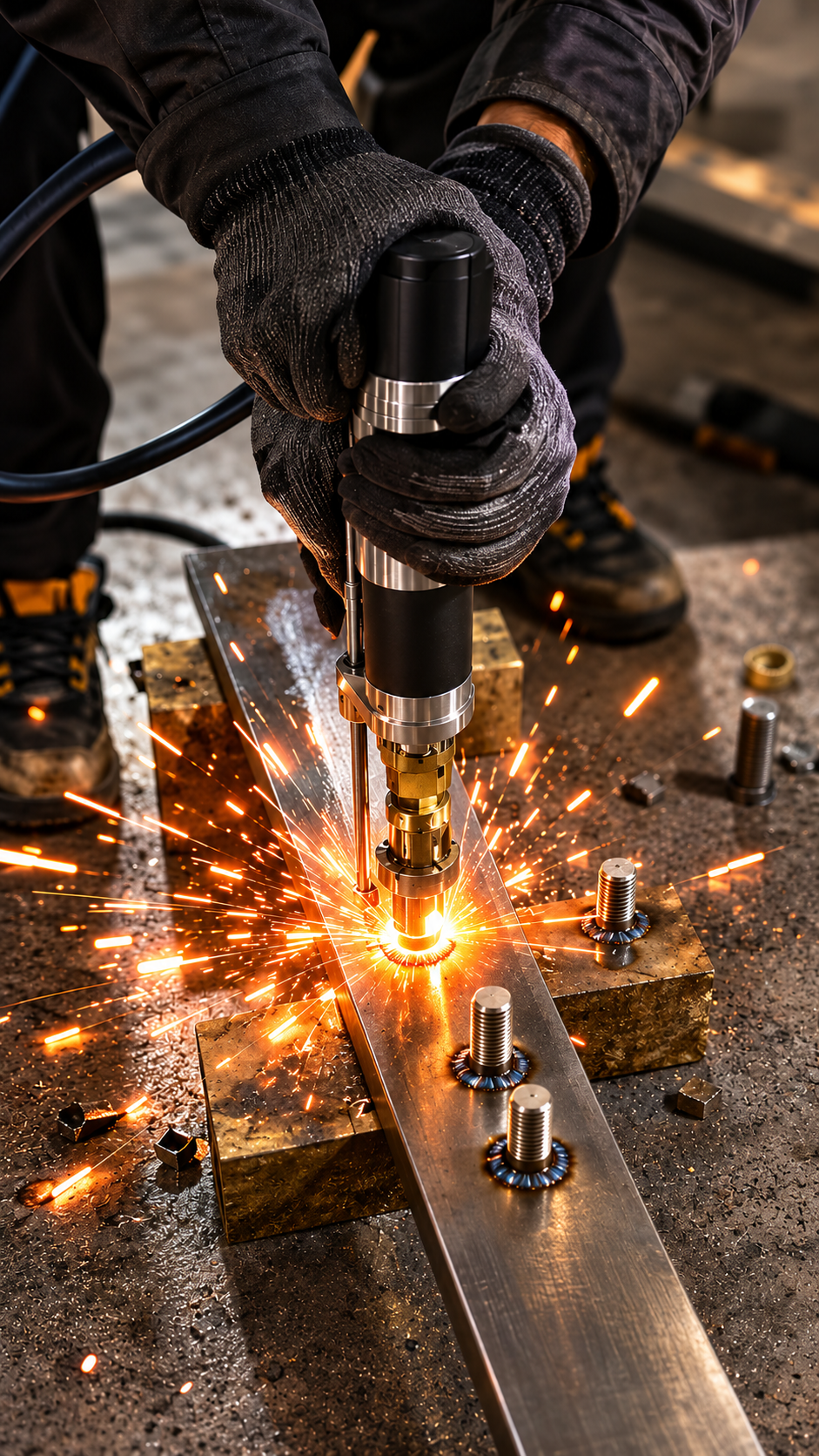
your assembly needs.Application illustration · Ryichen CNC
Compare Stud Welding Processes
Stud diameter alone does not define the system. Base thickness, stud design, material combination, surface condition and required joint performance all matter.
Energy storage stud welding System
Capacitor discharge systems release stored electrical energy over a short welding cycle. Discuss this route for sheet-metal assemblies where heat input and visible-surface requirements need close attention.
- Confirm the stud tip and flange design
- Provide base material and thickness
- Review the reverse-side appearance on samples
Short-Cycle and Conventional Drawn Arc
Compare short-cycle and conventional drawn arc for your stud geometry, base metal thickness and welding position. Confirm whether the selected setup calls for shielding gas or ceramic ferrules.
- Provide stud diameter and weld-end details
- Specify the base material and thickness
- Agree on weld inspection criteria
Inverter Drawn-Arc Stud Welding Systems
Evaluate an inverter-powered drawn-arc system against your stud range, production rate and available power supply.
- Confirm supported welding modes and stud sizes
- Check duty cycle against your production schedule
- Review the welding gun and consumables for your application
Confirm machine capacity for your application. Available stud sizes, materials and welding modes depend on the exact power unit, gun and consumables. Inverter describes the power-supply technology; confirm the actual welding process supported by the proposed machine.
Stud Welder Model Specifications
Compare stud capacity, input power and machine size by model. Check welding speed with your actual studs and setup.
Energy Storage (CD) Stud Welding Systems
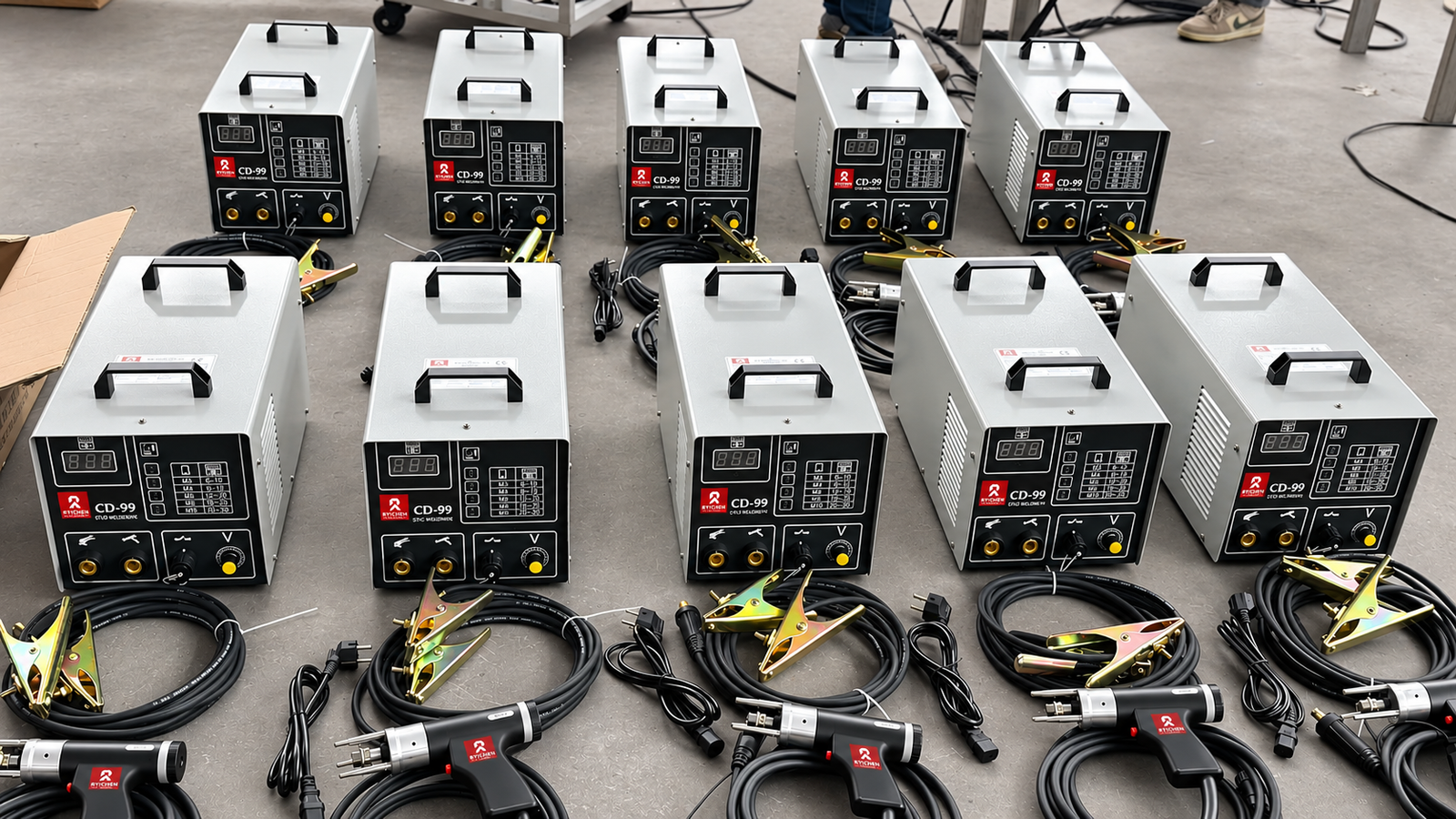
| Specification | CD99 | CD132 | CD188 |
|---|---|---|---|
| Stud size | M3–M8 | M3–M10 | M3–M10 |
| Capacitance (µF) | 99,000 | 132,000 | 188,000 |
| Power (W) | 600 | 800 | 800 |
| Fuse (A) | 10 | 10 | 15 |
| Weight (kg) | 23 | 24 | 25 |
All three: 220/240 V single-phase, 50–60 Hz, 40–185 V output, 10–30 studs/min, IP22 and 520 × 430 × 500 mm. CD188 also lists Ø3–5 mm insulation pins.
Short-Cycle and Conventional Drawn Arc
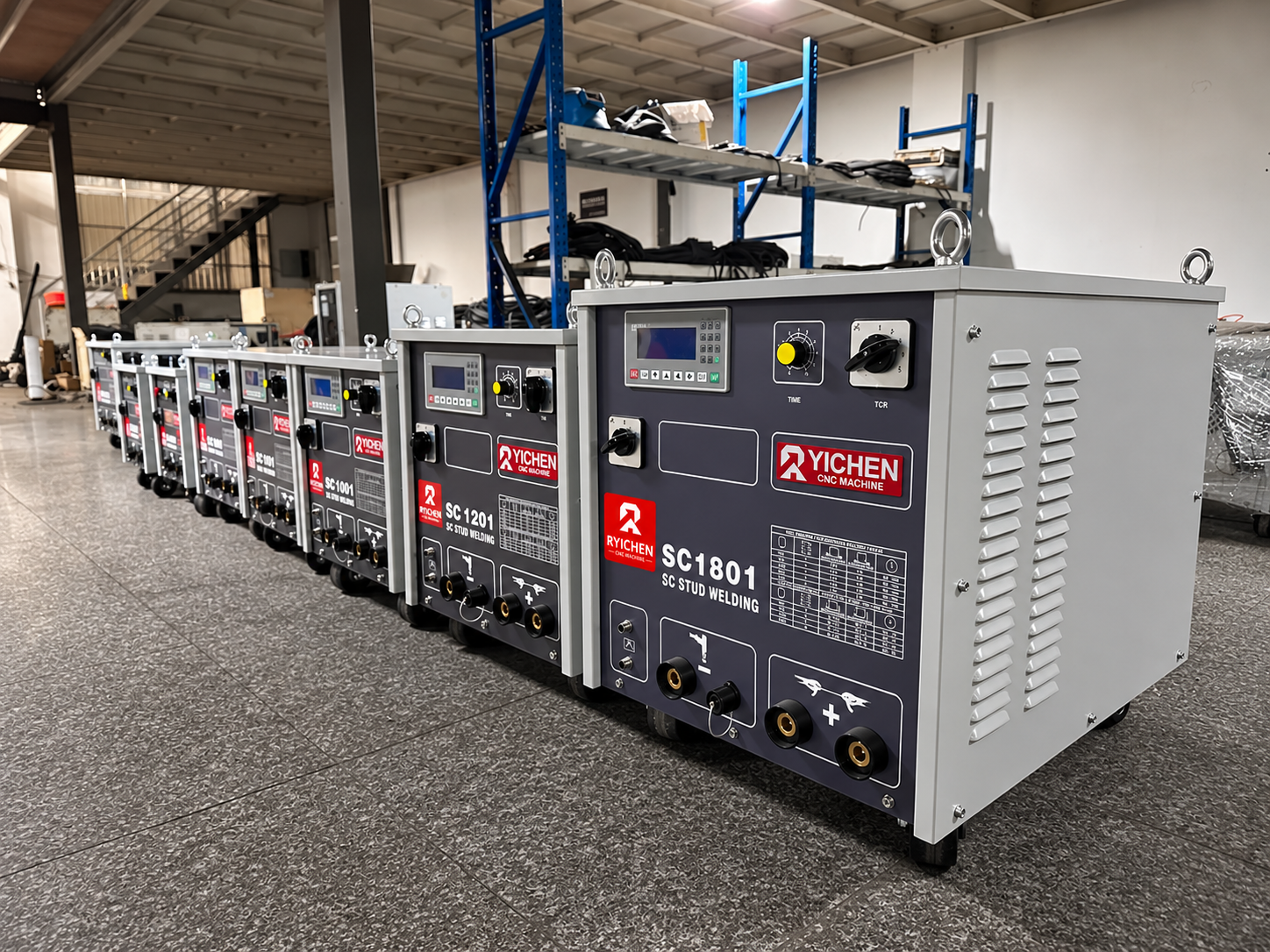
| Specification | SC-800A | SC-1200A | SC-1800A | SC-2400A |
|---|---|---|---|---|
| Stud diameter (mm) | Ø3–12 | Ø3–14 | Ø5–20 | Ø5–25 |
| Output current (A) | 160–800 | 200–1,200 | 300–1,800 | 800–2,400 |
| Rated input current (A) | 36 | 63 | 90 | 120 |
| Maximum power (kVA) | 40 | 60 | 90 | 150 |
| Welding speed (studs/min) | 10–30 | 10–30 | 5–30 | 5–30 |
| Dimensions (mm) | 590 × 415 × 510 | 671 × 482 × 581 | 720 × 530 × 600 | 720 × 530 × 600 |
| Weight (kg) | 105 | 138 | 163 | 220 |
All four: 380 V AC three-phase ±10%, 50–60 Hz, air-cooled, IP22. Listed welding time ranges: 20–70 ms and 60–450 ms. Confirm output voltage before ordering.
Inverter Drawn-Arc Stud Welding Systems
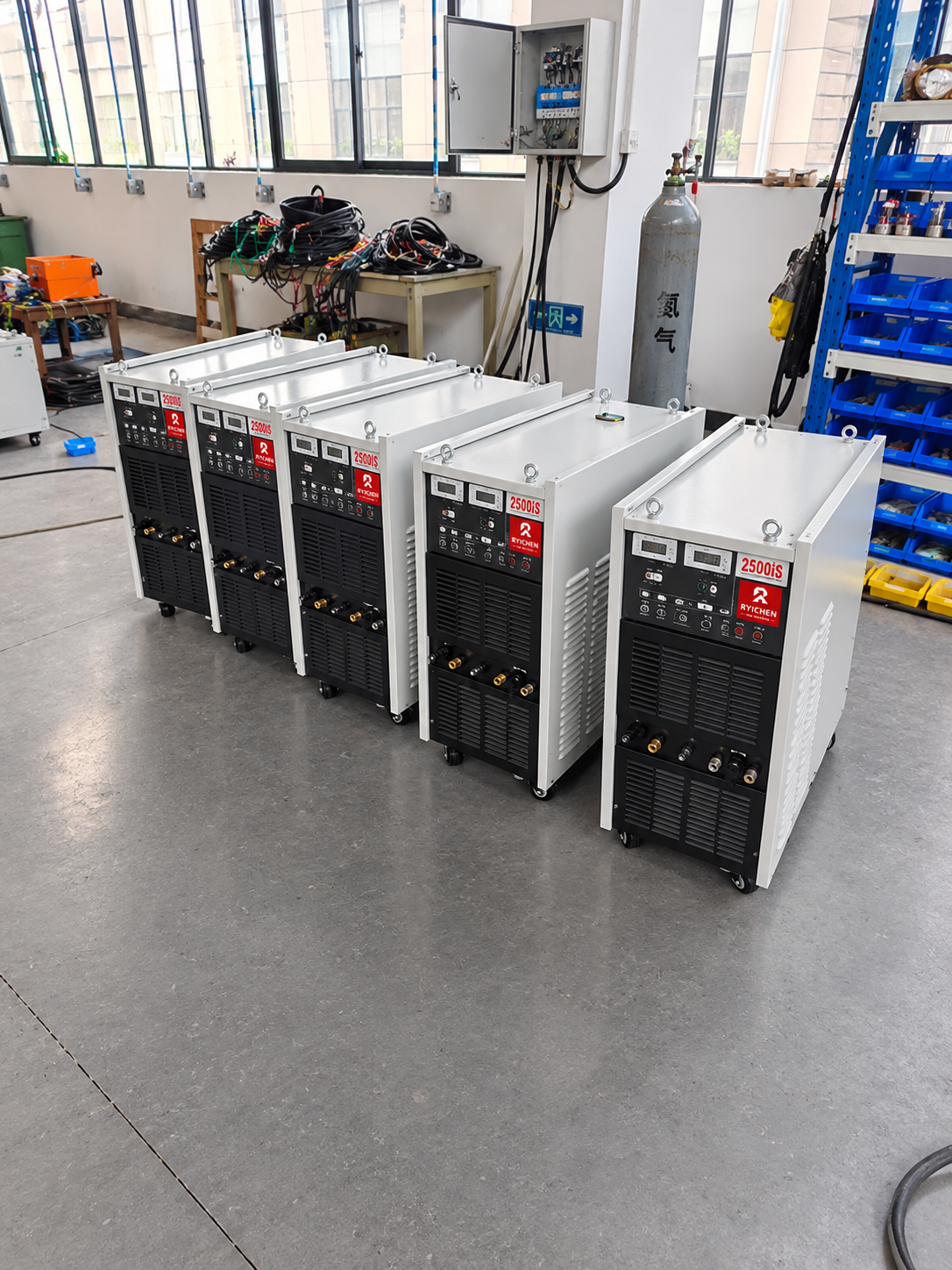
| Specification | RC-1600i | RC-2500i | RC-4000i |
|---|---|---|---|
| Stud diameter (mm) | Ø4–16 | Ø6–25 | Ø8–32 |
| Welding current range (A) | 300–1,600 | 300–2,500 | 300–4,000 |
| Rated welding current (A) | 1,600 | 2,500 | 4,000 |
| Rated output power (kVA) | 60 | 80 | 120 |
| Welding speed (studs/min) | 10–30 | 10–30 | 10–20 |
| Dimensions (mm) | 660 × 350 × 640 | 780 × 370 × 870 | 840 × 430 × 1,130 |
| Weight (kg) | 58 | 92.5 | 145 |
All three: 380 V AC three-phase ±10%, air-cooled, IP21 and a listed welding time of 10–3,000 ms.
Different assemblies.
Different acceptance priorities.
Panels & enclosures
Review fastener positions, backside appearance and distortion limits for cabinets, covers and fabricated sheet-metal assemblies.
Brackets & mounting points
Specify how the joint will be loaded and inspected. Select the stud, base material and welding process around the required connection.
Fixtures & production cells
When every part needs several studs, evaluate positioning, loading, welding access and inspection across the complete component.
Stud Welding Field Applications
U-Shaped Stud Welding (M8 × 100 mm)
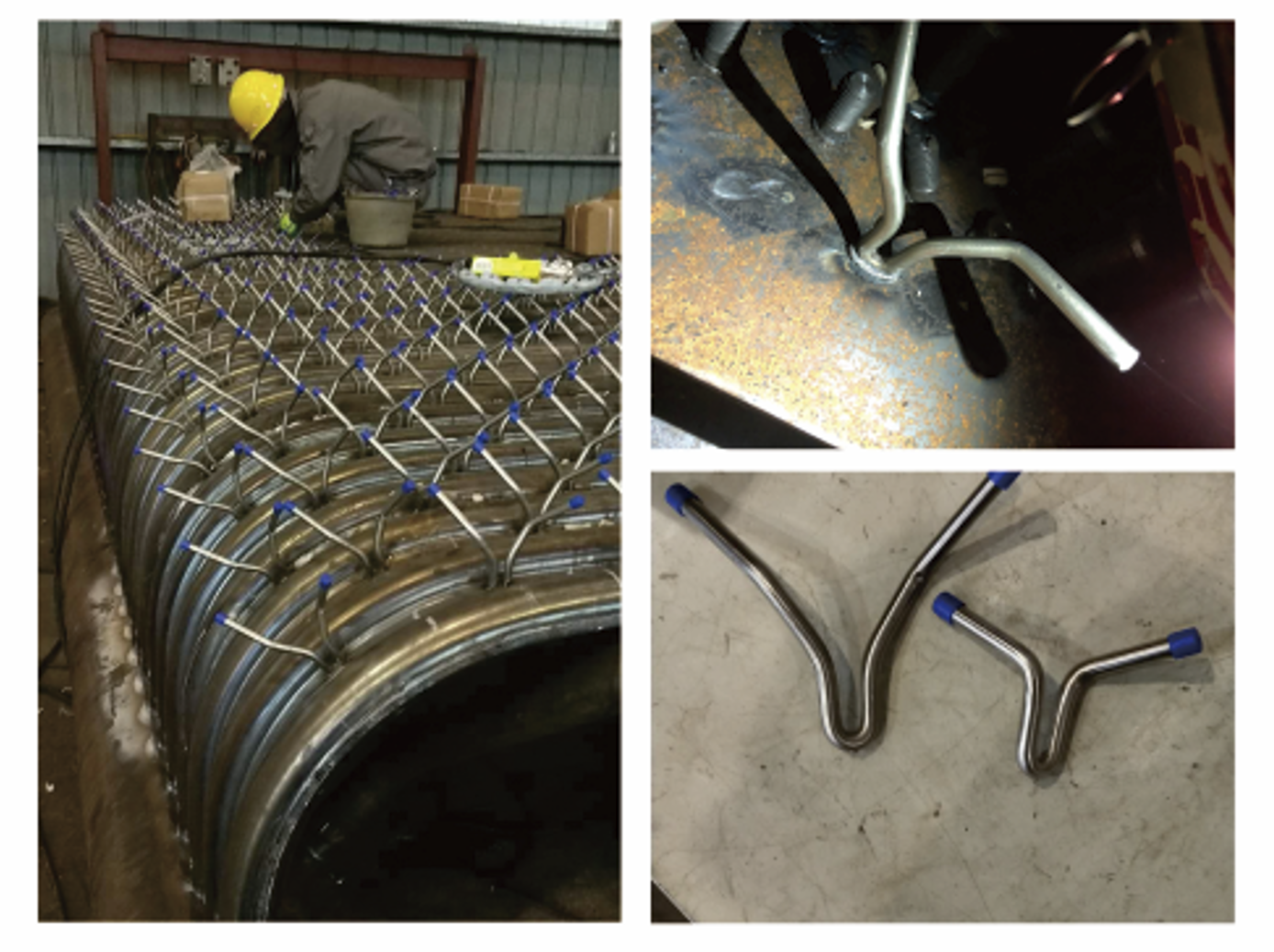
Tunnel Boring Machine Weld Studs (M20 × 20 mm)

Prefabricated Rebar Assemblies (M12 × 250 mm)

Bridge Shear Studs (M22 × 200 mm)

Prefabricated Bridge Components (M22 × 500 mm)
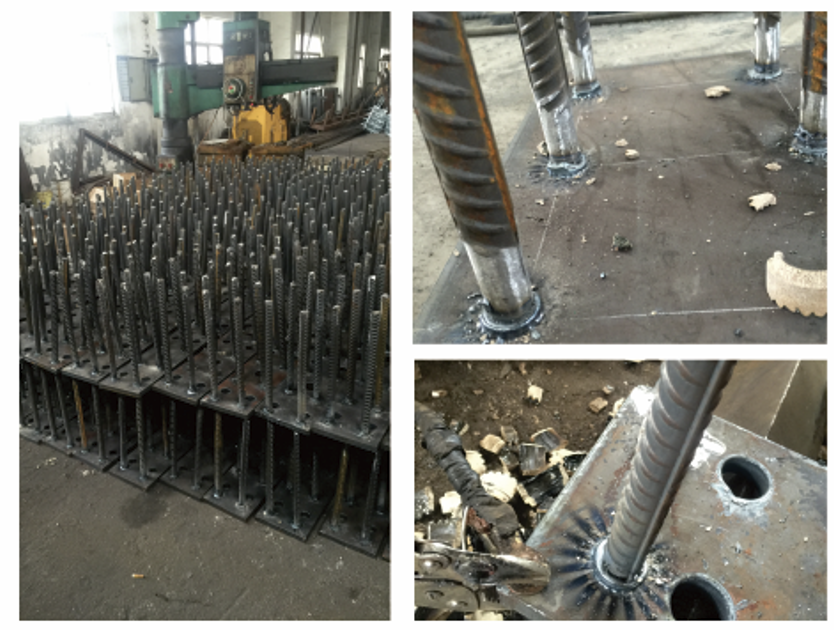
Petrochemical Studded Tubes (M10 × 15 mm)

Petrochemical Dryer Stainless Steel Studs (M10 × 40 mm)

High-Speed Rail Anchor Channels (M13 × 120 mm)

Handheld Short-Cycle Stud Welding Demo
Watch the operator position the gun and weld a stud to the workpiece. For a trial on your parts, share the stud drawing, base material and acceptance criteria.
Handheld and Automated Stud Welding
Choose the level of automation around your part mix, stud count, batch size and handling time. Define which operations remain manual before agreeing a cycle-time target.
Handheld welding
Review the power unit, gun, cables, grounding and consumables for operator-controlled stud placement and welding.
Feeding & fixturing
Discuss dedicated fixtures and automatic stud feeding where the fastener geometry and production mix support them.
Positioned welding cells
Evaluate programmed positioning, welding heads, part detection, loading and unloading as a customized production system.
Share the joint.
Define the result.
A photograph of the machine is not enough to confirm suitability. Send the fastener details and workpiece drawing so the recommendation addresses your actual weld.
Stud specification
Diameter, length, material, coating, flange and weld-end design. A drawing or clear sample photograph is useful.
Base workpiece
Material grade, sheet thickness, surface condition and access around each welding position.
Connection requirements
Required joint performance, backside appearance, positional tolerance and inspection method.
Production & installation
Studs per part, daily output, batch changes, power supply and destination country.
Confirm the process.
Then the configuration.
Make the power unit, welding gun, stud design and workpiece part of the same technical review.
Can one machine weld every stud size and material?
No single capacity range should be assumed. Confirm the welding process, power unit, gun, stud geometry and material combination for each application you need to cover.
Will the reverse side of the sheet remain unmarked?
Appearance depends on the material, thickness, stud size, process settings and acceptance criteria. Send representative material and define the permitted backside condition before approving the setup.
Does the proposed system need gas or ceramic ferrules?
Consumables and weld-pool protection depend on the selected process and application. Ask for the required gas, ferrules, chucks, collets and other accessories to be listed in the quotation.
Can your studs be fed automatically?
Feeding feasibility depends on the stud geometry, dimensions, surface condition and feeder arrangement. Provide samples and the full size range to review feeding and changeovers.
What is included in the equipment quotation?
Confirm the power unit, gun or welding head, cables, grounding arrangement, stud holders, consumables, feeder and fixtures where applicable, electrical specification, documentation and support scope.
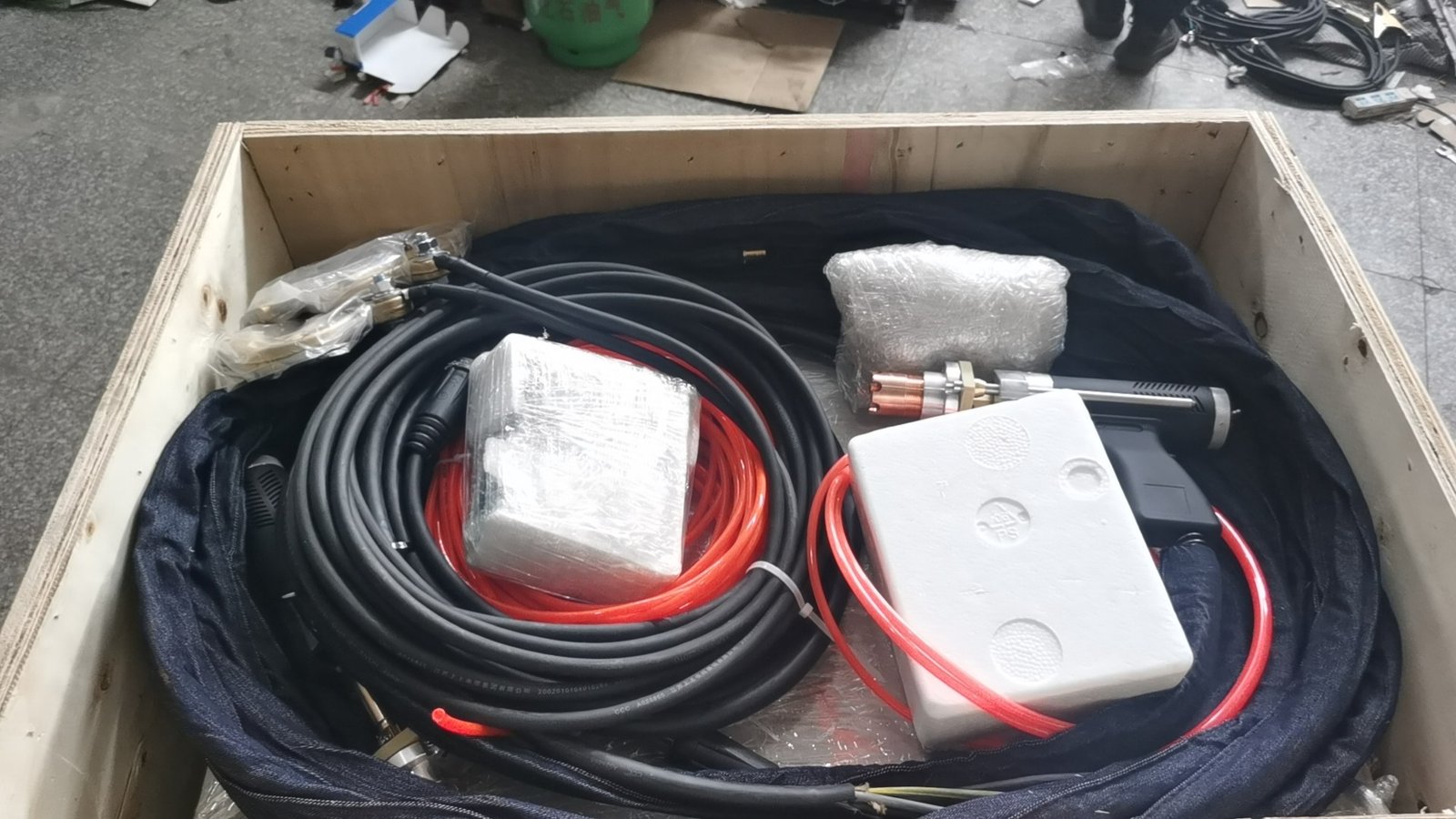
Wooden Crate Packing

Request a Stud Welding Recommendation
Send your stud diameter and length, fastener material, base metal and thickness, and the number of studs per part. Include weld inspection requirements and target output if available.
- Stud diameter, length, material and drawing
- Base material, thickness and surface condition
- Connection and appearance requirements
- Studs per part, output and automation needs
- Factory power supply and destination
Email: pascalzhu@ryichen.com
WhatsApp / WeChat: +86 180 5200 9096